
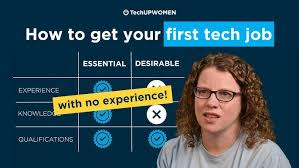
Breaking into the tech industry can feel like an impossible task, especially if you have no prior experience. However, the truth is that tech careers are more accessible than ever, thanks to online learning, bootcamps, and entry-level opportunities designed for beginners. Whether your goal is software development, cybersecurity, data analysis, or IT support, there are structured steps you can take to build a tech career from scratch. This guide will provide you with actionable strategies to start a career in tech with no experience.
Why Tech Careers Are Accessible to Beginners
The technology sector is one of the fastest-growing industries globally. According to the U.S. Bureau of Labor Statistics, employment in tech-related occupations is projected to grow by 13% from 2020 to 2030, much faster than the average for other professions. Companies are actively seeking talent, not necessarily talent with years of experience. Many organizations value problem-solving skills, adaptability, and a willingness to learn over formal credentials.
The demand for tech talent opens doors for individuals without traditional degrees or prior work experience. Today, entry-level tech positions and training programs are designed specifically for beginners, allowing people from diverse backgrounds to build successful careers.
Step 1: Identify Your Area of Interest in Tech
The tech industry is vast, and identifying your niche is crucial. Some popular areas include:
- Software Development: Building applications, websites, and programs. Requires coding skills.
- Data Analysis: Interpreting data to help businesses make decisions. Requires knowledge of Excel, SQL, or Python.
- Cybersecurity: Protecting systems and data from cyber threats. Knowledge of networks and security tools is essential.
- IT Support: Assisting users with technical problems. Entry-level friendly and provides a foundation in tech.
- Digital Marketing Tech: Using technology to optimize marketing campaigns. Skills in SEO, analytics, and marketing software are valuable.
Understanding your area of interest allows you to focus your learning efforts and develop relevant skills that employers are actively seeking.
Step 2: Learn the Necessary Skills
Even without experience, acquiring the right skills can make you job-ready. Luckily, many online resources are free or low-cost.
Online Courses and Tutorials
Platforms like Coursera, Udemy, edX, and Khan Academy offer beginner-friendly courses in programming, data science, cybersecurity, and IT. You can start with free courses to build a foundational understanding.
- Programming: Learn Python, Java, JavaScript, or C# depending on your career goal.
- Data Analytics: Courses in Excel, SQL, and Tableau can provide practical skills.
- Cybersecurity: Introduction courses in networking and security basics can help beginners.
- IT Support: Google IT Support Professional Certificate is an excellent starting point.
Bootcamps and Certifications
Coding bootcamps are intensive programs that teach tech skills quickly. Many bootcamps also offer career support, including resume building and interview preparation. Certifications can also add credibility to your resume:
- CompTIA A+ for IT fundamentals.
- AWS Certified Cloud Practitioner for cloud computing.
- Google Data Analytics Certificate for data roles.
- Certified Ethical Hacker (CEH) for cybersecurity.
Self-Directed Projects
Employers love seeing practical experience. Build small projects that demonstrate your skills:
- Create a personal website or portfolio.
- Develop a simple app or game.
- Analyze publicly available datasets and share your insights.
- Set up a home lab for IT practice.
These projects can help you demonstrate skills even without formal experience.
Step 3: Build a Strong Online Presence
Your online presence is crucial when you have no experience. It showcases your skills and initiative.
Create a Portfolio
A portfolio website can highlight your projects, skills, and learning journey. Include:
- Projects with descriptions and screenshots.
- GitHub repositories for coding projects.
- Case studies or dashboards for data analytics.
- Certifications and courses completed.
Use LinkedIn Strategically
LinkedIn is a powerful platform for networking and job hunting in tech:
- Optimize your profile with a professional photo and clear headline.
- Highlight your learning journey and projects in the “About” section.
- Connect with professionals and join relevant groups.
- Share articles, projects, and insights to demonstrate engagement in tech.
Step 4: Gain Practical Experience
Even without formal employment, there are ways to gain hands-on experience:
Internships and Apprenticeships
Many companies offer internships or apprenticeships for beginners. These opportunities provide exposure to real-world projects and help you build professional connections.
Freelancing
Platforms like Upwork, Fiverr, and Freelancer allow you to take on small projects. Freelancing helps you apply your skills in a practical setting and earn experience for your resume.
Volunteer Work
Nonprofits or local organizations often need tech assistance. Volunteer to:
- Build websites.
- Manage databases.
- Provide IT support.
Volunteering demonstrates initiative and real-world application of skills.
Step 5: Network with Professionals in Tech
Networking is often more powerful than simply applying for jobs. Engaging with tech professionals can lead to mentorship and job opportunities.
- Attend local tech meetups or conferences.
- Join online communities on Reddit, Discord, or LinkedIn.
- Reach out to professionals for informational interviews.
- Participate in hackathons and competitions.
Networking helps you learn about industry trends, get advice, and access hidden job opportunities.
Step 6: Prepare for Job Applications
When applying for tech roles with no experience, focus on transferable skills, projects, and certifications.
Resume Tips
- Highlight technical skills first (programming languages, software, tools).
- Include projects and practical experience.
- Emphasize problem-solving, teamwork, and adaptability.
Cover Letter Strategy
- Focus on your passion for tech and eagerness to learn.
- Mention projects, certifications, and self-directed learning.
- Keep it concise and targeted to the role.
Prepare for Interviews
- Practice coding problems on platforms like LeetCode, HackerRank, or Codewars.
- Understand basic technical concepts in your field.
- Prepare for behavioral questions to demonstrate soft skills.
Step 7: Keep Learning and Growing
Tech is a rapidly evolving industry. Continuous learning is essential:
- Follow tech blogs, podcasts, and news.
- Keep adding new skills and certifications.
- Stay updated on tools and technologies in your field.
- Learn from mentors and peers.
By demonstrating a growth mindset, you increase your chances of promotions and long-term success.
Common Mistakes to Avoid
Starting a tech career with no experience can be challenging. Avoid these common mistakes:
- Waiting for the perfect opportunity: Begin with small projects or internships; experience comes from action.
- Ignoring networking: Many tech jobs are not publicly advertised; connections matter.
- Focusing only on theory: Employers value practical skills and projects.
- Overloading with too many skills at once: Focus on one area initially to gain mastery.
Success Stories
Many tech professionals started with no experience. For example:
- Self-taught developers who began with free coding tutorials and later landed software engineering jobs.
- Data analysts who transitioned from unrelated fields by learning Excel, SQL, and Python online.
- Cybersecurity experts who started with home labs and online courses before joining security teams.
Their stories show that dedication, practice, and strategic learning can overcome a lack of experience.
Conclusion
Starting a career in tech with no experience is not only possible—it’s increasingly common. By identifying your niche, learning relevant skills, building a portfolio, networking, and gaining practical experience, you can break into the tech industry and grow a successful career. The key is consistent effort, curiosity, and a willingness to learn. With determination and the right approach, your dream tech career can begin today.
SEO Tips Incorporated in the Article:
- Primary keyword: “How to Start a Career in Tech with No Experience”
- Related keywords: tech careers for beginners, entry-level tech jobs, learn tech skills online, break into tech industry, tech certifications
- Headers (H1, H2, H3) optimized for search engines
- Internal logical flow with actionable steps for readers
If you want, I can also create a table of free online resources, bootcamps, and certifications that specifically help beginners in tech—this will make your article even more SEO-friendly and actionable.
Do you want me to do that next?









Leave a Reply